Field systems
Telecommunications work in homes and multi-dwelling units built a habit of tracing the complete path, testing assumptions, and explaining the fix plainly.
- AT&T wire technician
- MDU troubleshooting
- Low-voltage installation
About Chris
My work crosses telecommunications, military leadership, a veteran-owned service business, electronics and HVAC diagnostics, and self-hosted software. The common thread is understanding how the full system works.



Sergeant · Louisiana Army National Guard
Owner · HandyHounds, LLC Greater New OrleansOne troubleshooting mindset
Build. Solve. Automate. Improve. is less a slogan than a working loop: understand the problem, make the solution useful, and leave the system better documented than I found it.
Telecommunications work in homes and multi-dwelling units built a habit of tracing the complete path, testing assumptions, and explaining the fix plainly.
Service as a Louisiana Army National Guard Sergeant and ownership of HandyHounds reinforce preparation, accountability, clear standards, and responsibility for the outcome.
Electronics repair and HVAC diagnostics use the same discipline: inspect at high magnification, trace power and signal paths, measure components under the right conditions, and prove a fault before reaching for a replacement.
Laravel applications, Raspberry Pi services, Docker, Linux, and Cloudflare turn practical needs into maintainable tools that can be operated and improved over time.
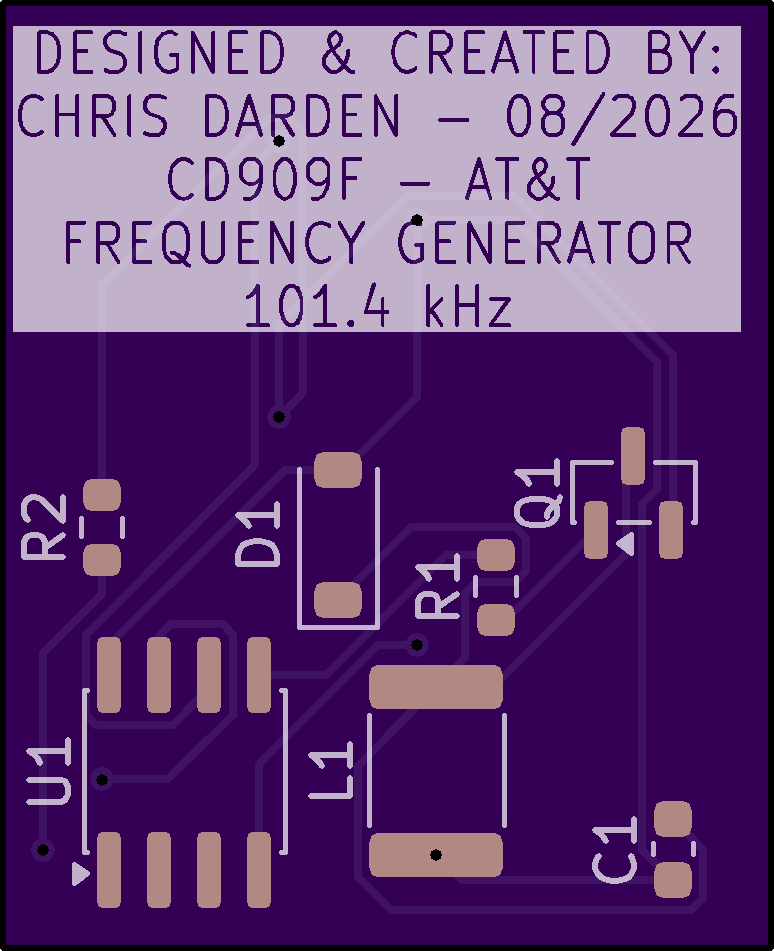
Electronics bench
Circuit-board work combines visual inspection, electrical measurement, controlled power, and careful rework. The goal is not merely to make a board turn on—it is to understand why it failed.
Working principles
A symptom is only the starting point. Follow power, signal, data, or workflow from end to end before deciding where the failure lives.
Use evidence, repeatable tests, and documented observations instead of treating parts replacement as diagnosis.
Whether it is a customer connection, business workflow, field manual, or private app, the result should be clear and practical at the point of use.
Leadership and business ownership mean communicating clearly, protecting the work, and staying accountable after the first version ships.
Proof over claims